There is no single “best” rugged handheld for every business. The right device depends on how, where, and how often it will be used. This article will guide you through the key features, scanning requirements, and industry-specific considerations of rugged handheld devices.
1. Define Your Use Scenario
Ask these questions:
① Indoor or outdoor use?
② Scan frequency per shift?
③ Gloves or bare hands?
Clear requirements prevent over- or under-specification.
2. Scanning and Data Capture
Look for:
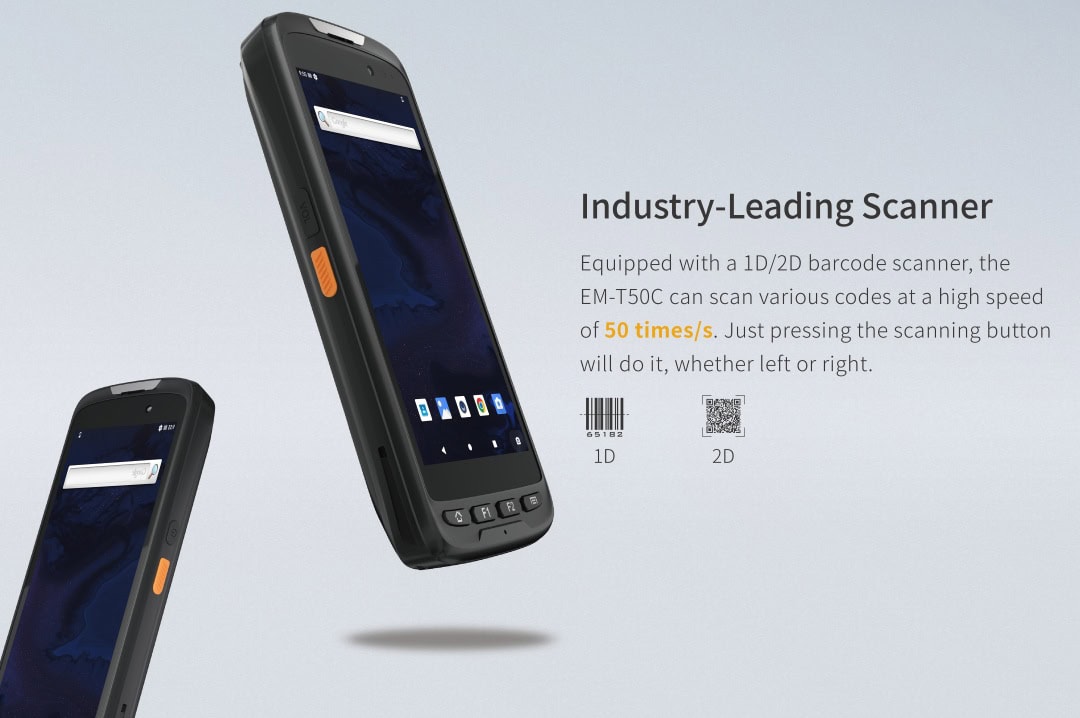
① Fast 1D/2D barcode scanning
② Long-range scan options
③ High tolerance for damaged labels
Scanning performance affects daily productivity.
3. Operating System Choice
① Android: flexible, cost-effective
② Windows: legacy system compatibility
Android devices dominate modern deployments.
4. Battery and Ergonomics
Key considerations:
① Battery capacity and hot swap
② Weight balance
③ Trigger placement
Comfort impacts long-term worker efficiency.
5. Support and Lifecycle
Enterprise buyers should consider:
① OS update roadmap
② Spare parts availability
③ After-sales support
Lifecycle planning reduces future replacement risk.
The best rugged handheld device is one that aligns with workflow requirements, environment conditions, and long-term support.
FAQ
Q:How many years should a rugged handheld last?
A:Typically 4–6 years in industrial environments with proper maintenance.